
The diagram looks clear on the meeting-room screen. In the exported image, two labels are tiny and one connector crosses another. You ask AI to explain the process and receive a sequence that misses an exception route.
Use AI diagram reading as a proposed interpretation, supported by readable labels and the original source where available. A picture of a process is not necessarily a complete or editable description of the work. Decide what the task needs before treating the image as sufficient evidence.
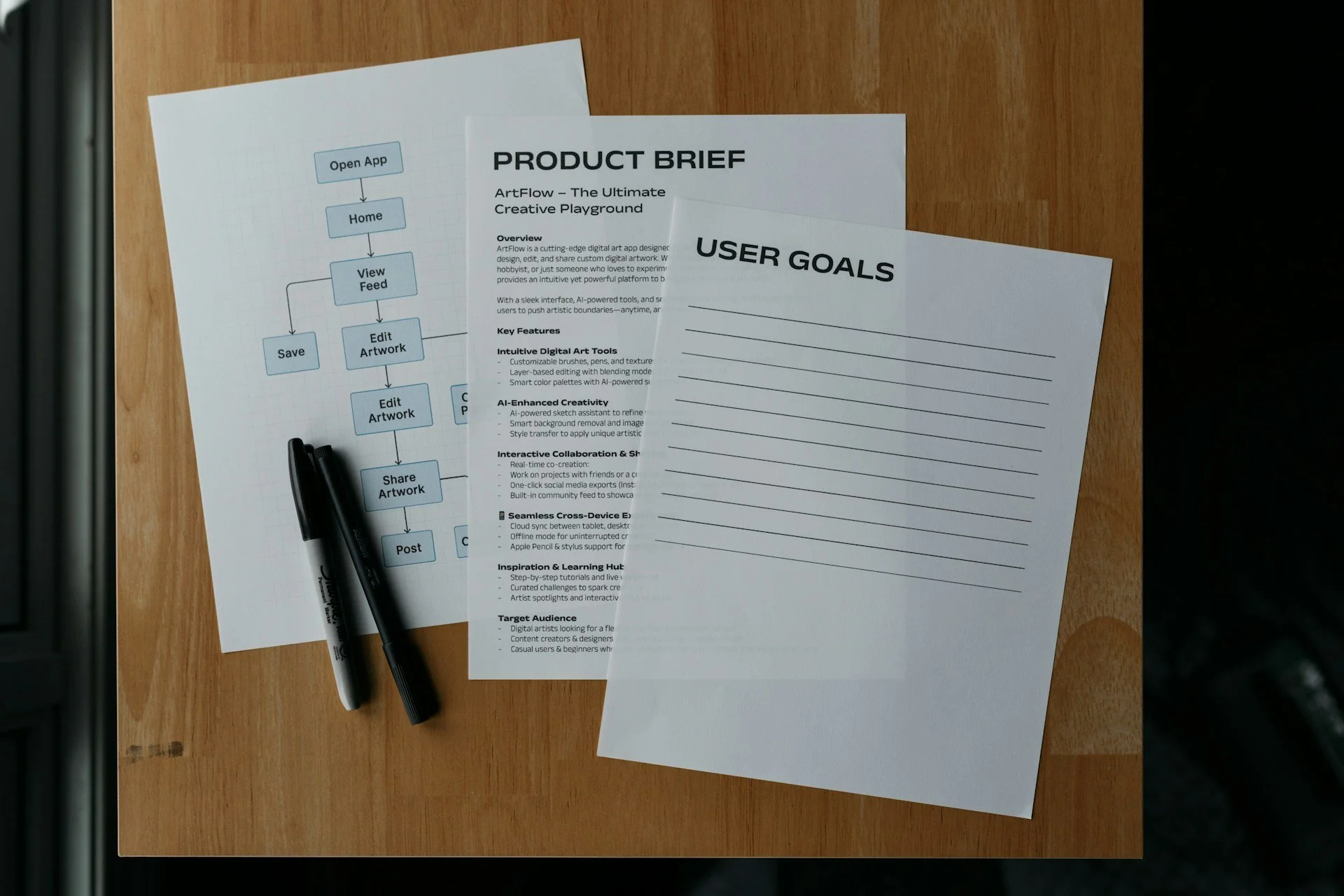
Photo by Kelly Sikkema on Unsplash.
State the reading task
Do you need a plain-language explanation, a list of questions or an editable process map? These are different outcomes.
An explanation can use the visible diagram with clear limitations. Rebuilding a map needs reliable connections, decision conditions and source confirmation. Changing a process needs the people who own the work, not just an image interpretation.
If a current editable file exists, ask its owner whether it is the better starting point. Avoid reconstructing information from pixels when a suitable original is already available.
Use a diagram-reading checklist
Check:
Are labels readable at the working size?
Are arrow directions and connectors unambiguous?
Do colours or shapes carry meaning that needs a legend?
Are branch conditions written down?
Does the image show the whole process or only a section?
Is its version and owner known?
Do not assume a tool can read every kind of diagram or image. Verify the actual supported input and inspect the proposed interpretation against the source.
An illustrative crossing connector
Suppose the normal route moves from review to acceptance, while a second arrow returns incomplete work to preparation. In a small image, the return arrow appears to point towards closure.
A generated explanation could state that incomplete work is closed. The wording may be fluent, but the operating meaning has changed. Mark the connection as unclear and ask the map owner to resolve it.
A useful response might list visible steps and uncertain relationships separately. It should not invent the missing connector direction to deliver a complete sequence.
Keep text and diagram connected
If converting the image into written instructions, retain the decision points, exceptions and finish conditions. A simple list of box labels may remove the logic that makes the map useful.
Reference the source version and record questions requiring confirmation. Where the map omits who accepts a handoff, the AI reading task should expose the gap rather than allocate responsibility itself.
Use the result for the right purpose
A preliminary reading can support a workshop or help somebody ask focused questions. It is not automatically an approved operating procedure or a replacement for the editable source.
Confirm the interpretation with people doing the work before using it to change systems or instructions. The practical value lies in making the diagram easier to discuss while keeping uncertain details visible.
For related practical guidance, see turning agreed work into usable procedures and keeping cross-team ownership clear.
Hili Consulting can help prepare an evidence-preserving handoff from a process diagram image. Arrange a free 30-minute consultation and bring one example of the work you want to improve.
