
The AI handles straightforward requests quickly. Difficult ones sit in a spreadsheet called exceptions, waiting for someone to notice. You have moved the delay rather than removed it.
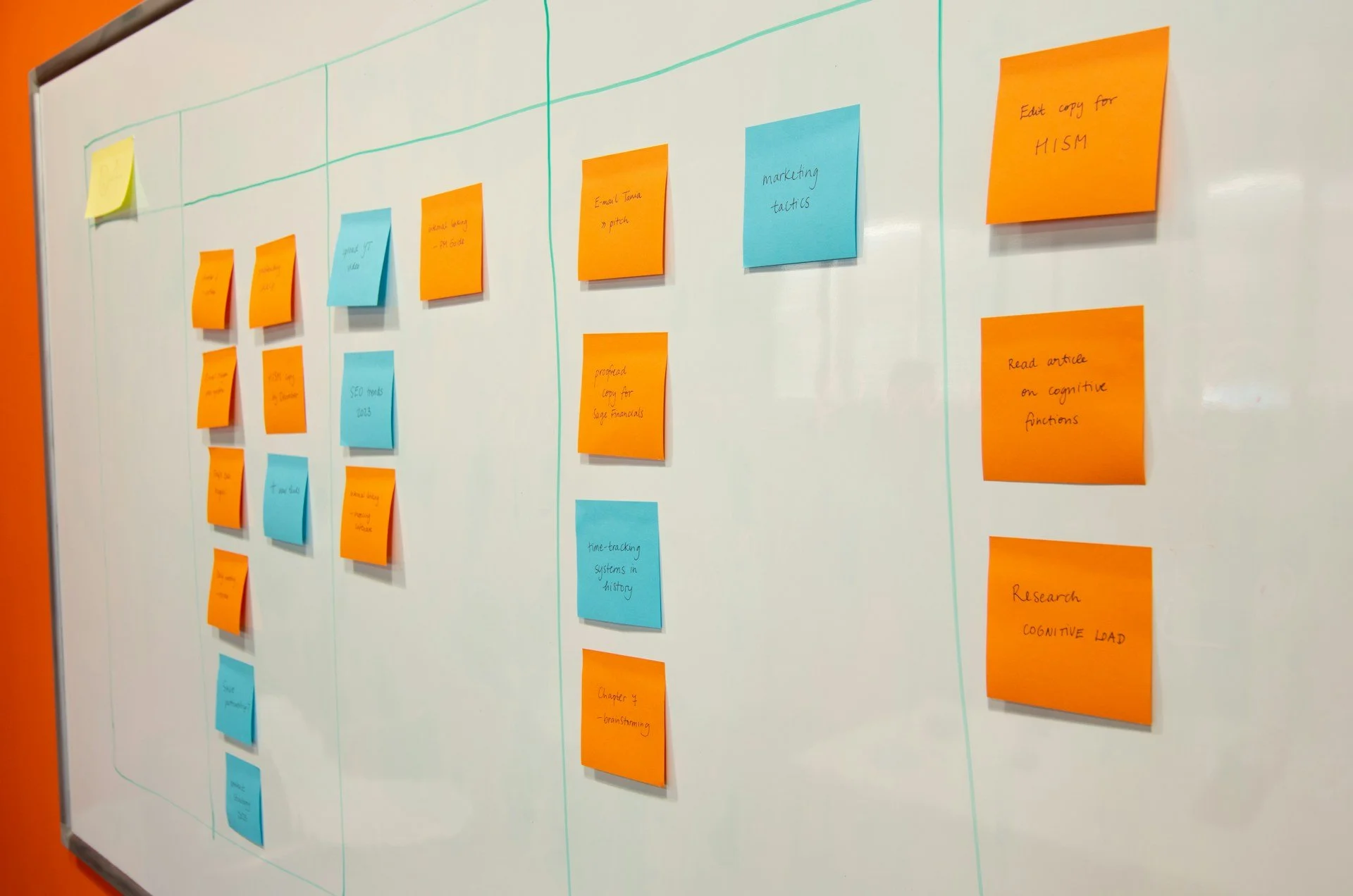
A human review queue needs an entry rule, named owner, context and a defined exit. Treat exception handling as part of the workflow you are delivering.
Define when work leaves the automated route
List observable reasons for review. These might include missing information, conflicting documents, an unsupported request or a failed connection. Use behaviour the workflow can actually detect.
Do not assume an AI's stated confidence is a dependable business threshold without evaluating it for your task. Some cases should always go to a person because of their consequences, even when the proposed answer sounds certain.
Make queue items actionable
Include:
Original request and authorised source references.
Proposed output, if one exists.
Reason the workflow stopped.
Current owner and response deadline.
Actions already completed.
Allowed resolution options.
Avoid copying more sensitive information than the reviewer needs. Agree retention and access with the appropriate owner. Give reviewers a route to obtain missing context without spreading it through uncontrolled messages.
Prevent unsafe restarts
Consider an illustrative record-creation workflow. A connection times out after submitting a record. The reviewer needs to check whether that record exists before retrying. Otherwise a helpful restart can create a duplicate.
Define resolved, returned for information and cancelled states. Record who chose the route and whether the workflow can resume from a known point. 'Retry' is too vague when earlier actions may already have occurred.
Give the queue operating capacity
Name a primary owner and backup. Agree when they check the queue and how waiting work becomes visible. Prioritise by consequence and commitment rather than simply arrival order.
Review why cases enter the queue. A recurring missing field may call for better intake. A recurring judgement call may need clearer authority or a permanent human step. Do not treat every exception as a prompt defect.
Related guidance: guide to mapping the work before changing it.
