
The website says the team is available all day. In practice, the same person answers enquiries, attends client meetings and checks outgoing work. Messages arrive during a service window that exists on the page but not in the rota.
Customer-service hours should state when the business provides a staffed response through specified channels. Align that statement with actual coverage, the working calendar and an explicit route for messages arriving outside those hours.
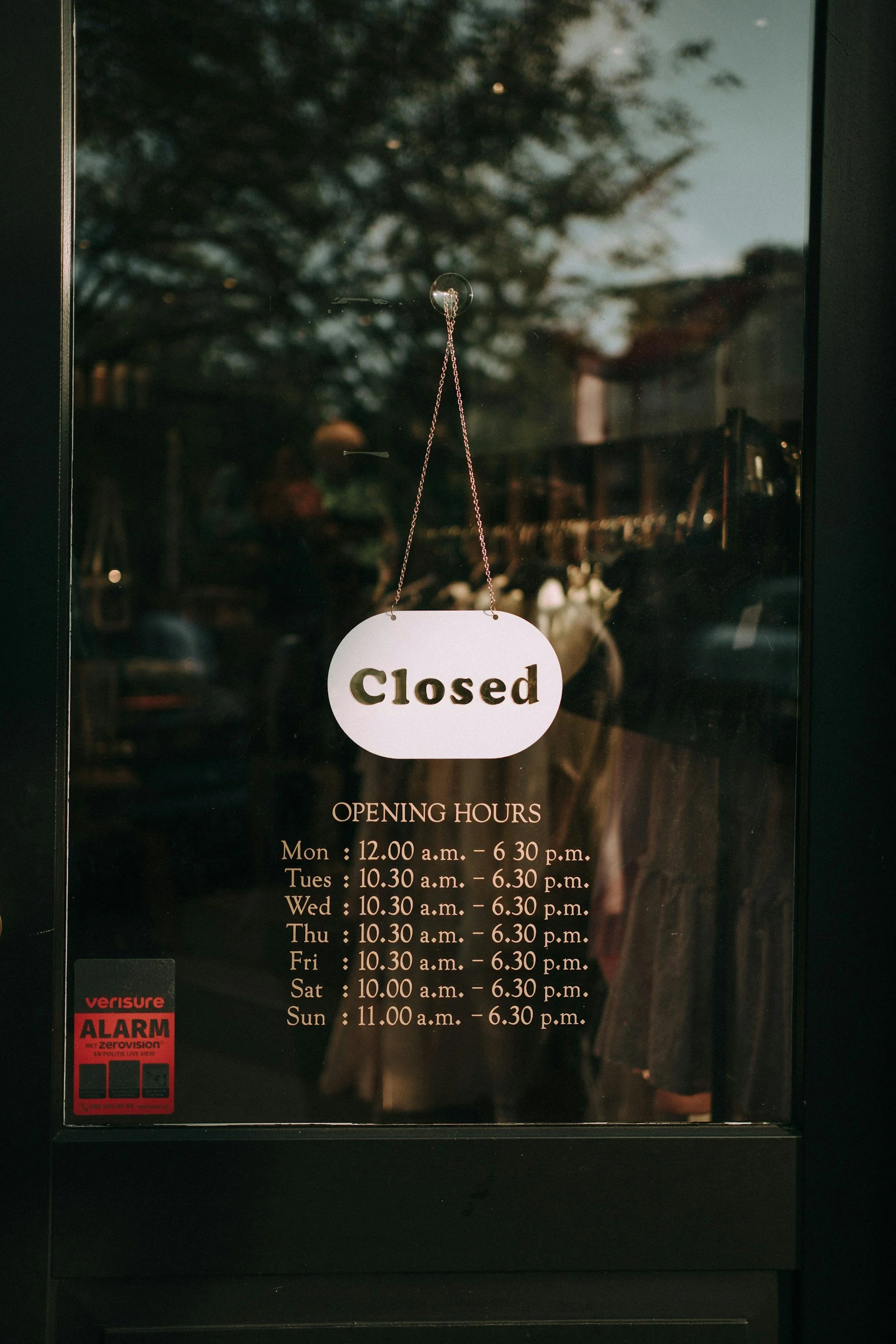
Photo by Robert | Visual Diary on Unsplash.
Decide what availability includes
A monitored email address, live phone line and specialist resolution service are not interchangeable. Explain which channel is covered and what follows contact. Do not let a general opening-hours statement imply immediate access to every expert.
Map a normal week, including leave, visits, breaks and predictable busy periods. Where coverage cannot be maintained, change the arrangement or its wording before relying on goodwill to close the gap.
Write a service-hours operating card
Service and audience covered.
Monitored channels and applicable time zone.
Working days, hours and treatment of holidays.
Coverage owner and backup for each period.
Meaning of acknowledgement, assessment and resolution.
Out-of-hours receipt message and next staffed review.
Authorised urgent route, if genuinely provided.
Owner of public wording and temporary changes.
Use clear timing language for international clients. Check contractual or sector-specific requirements with the appropriate adviser before changing an existing commitment. This operating card does not establish what obligations apply to your service.
An illustrative Wednesday gap
A consultancy offers phone support during its working day, but its only coordinator attends an off-site session every Wednesday morning. The owner can arrange competent cover, provide a callback route with a clear expectation or revise the advertised phone availability.
Leaving the line unanswered while advertising live support does not settle the choice. The backup must be able to record the issue and give an authorised next step, without inventing a specialist answer. Use the escalation route for consequential exceptions.
Keep the wording consistent
Check the website, contact page, auto-replies and onboarding information against the same current operating card. Temporary holiday arrangements need an effective period and an owner who restores the normal wording.
Walk through a message arriving just before closing and another arriving afterwards. Check what the customer sees, which queue receives it and who reviews it next. Confirm the timing treatment in your metric definitions, preserving historical meaning if the working calendar changes.
If availability depends on whoever happens to notice a message, Hili Consulting can help connect the public promise with practical coverage and ownership.
