

How to Write an AI Enquiry-Classification Rubric
The AI routes a message to sales because it mentions pricing. The sender is an existing client disputing an invoice. A familiar word has produced a confident route to the wrong team.
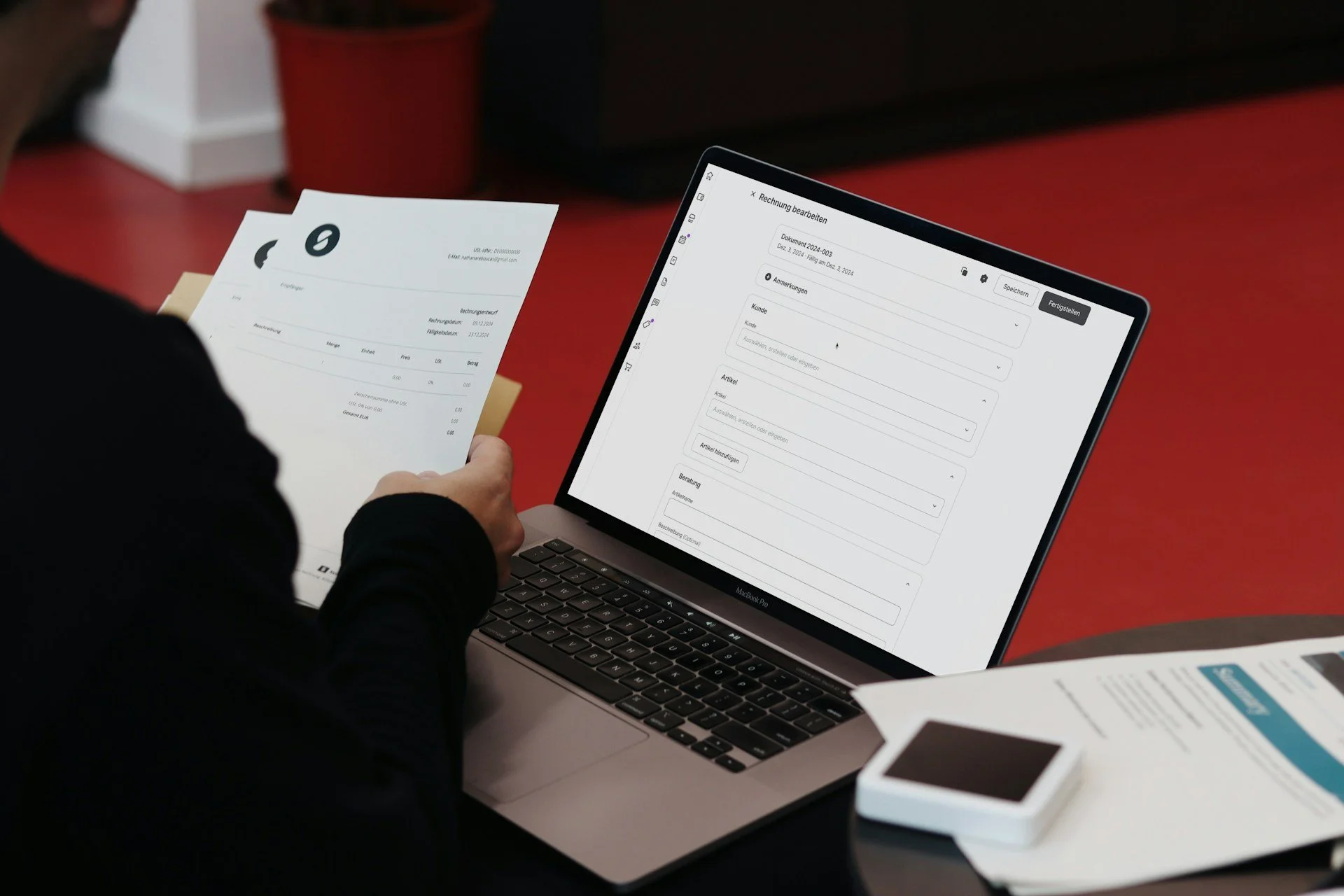
How to Check AI-Extracted Fields Before Updating Records
The system reads a document and fills the customer record. A date looks plausible, so nobody notices it came from the signature page rather than the service-start section.

How to Check an AI Summary Against Its Source
The summary reads well and fits on one page. Then someone notices a conditional delivery date has become a commitment. The wording improved while the meaning changed.

How to Keep an AI Knowledge Base Current When Processes Change
The process changed on Monday. The main procedure is current, but the AI assistant answers from an older guide. The problem is the route by which approved changes reach the knowledge base.

How to Prepare Business Documents for an AI Knowledge Base
The shared drive contains three onboarding guides, an old price list and a presentation describing a retired service. Uploading the folder does not settle which information the team should use.

Questions to Ask an AI Implementation Partner Before You Commit
The demonstration is convincing. A request arrives, the AI interprets it and a tidy response appears. Before agreeing the project, ask what happens when the request is incomplete or your operations lead is away.

When Should You Retest an AI Workflow After a Change?
The prompt has not changed, so the team assumes the workflow is the same. Meanwhile, the tool has changed, reference documents have been updated and the intake form supplies different fields.
What Should an AI Workflow Audit Trail Record?
A client asks why their record changed. The team can see the final value, but not the source, proposed change or approver. Saying the AI did it does not answer the operational question.

How to Define Minimum Access for an AI Workflow
The pilot needs a few approved documents and prepares a draft. During setup, it receives access to an entire workspace because that is quicker. Nobody has written down why wider access is necessary.
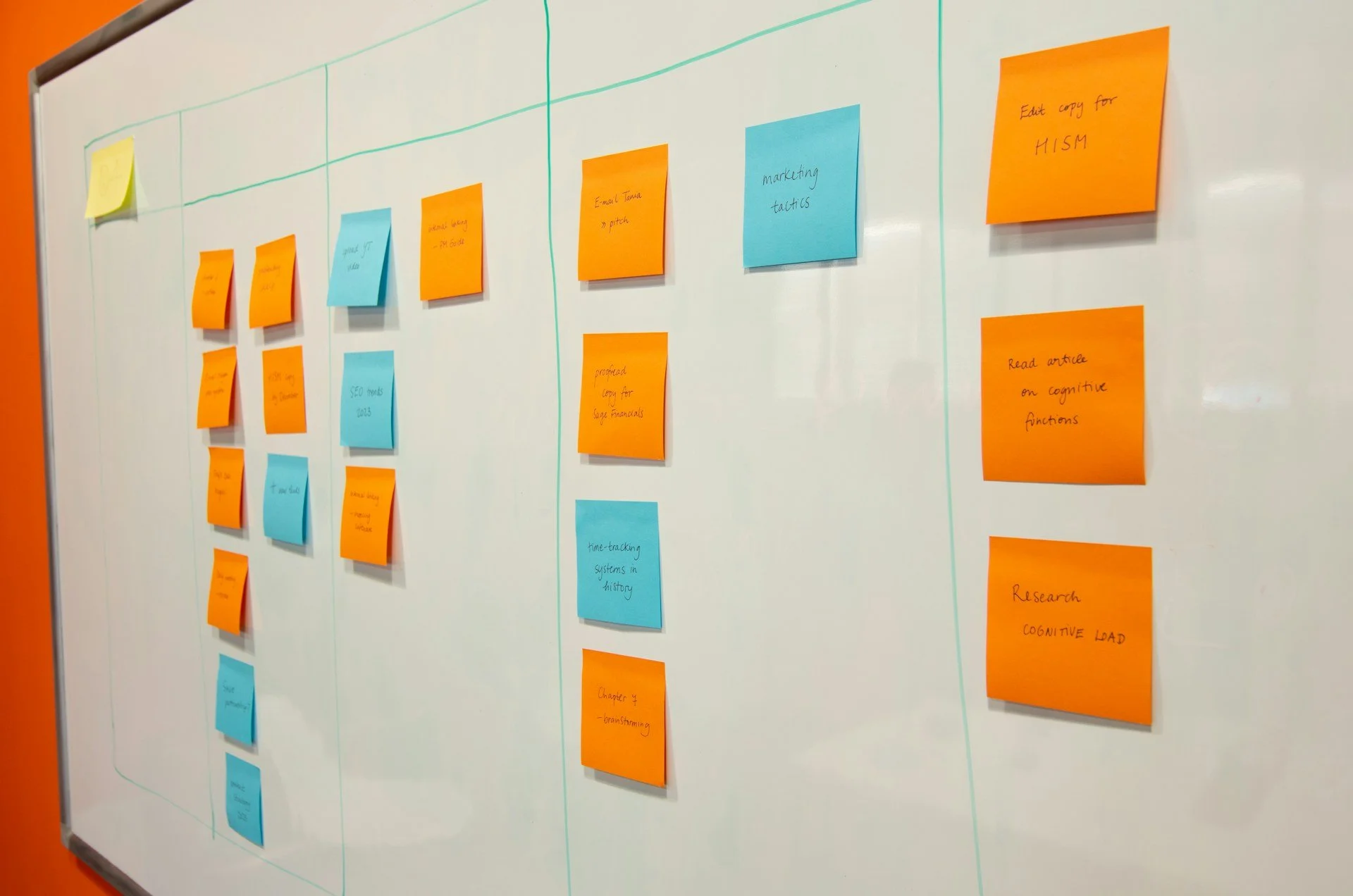
How to Route Failed AI Cases to a Human Review Queue
The AI handles straightforward requests quickly. Difficult ones sit in a spreadsheet called exceptions, waiting for someone to notice. You have moved the delay rather than removed it.

How to Write Acceptance Criteria for AI Output
'Produce a good summary' sounds reasonable until reviewers disagree about whether a missing qualification matters. One values brevity. The other needs every exception that could change the decision.

How to Build a Representative AI Evaluation Set
A demonstration uses the cleanest enquiry in the inbox. It has complete details and one obvious request. Your real inbox also contains forwarded threads, missing information and customers asking for three things.

Version Control for Shared Business Prompt Templates
Someone improves the shared prompt. Another colleague keeps using last week's copy. By Friday, two people following the same procedure produce different work, and nobody can explain which instructions generated the client draft.

How to Design Human Review That Actually Checks AI Output
The team says every AI response is checked. In practice, a busy person reads the opening sentence and clicks approve. That is a review step on a diagram, but it tells you little about the quality of the decision.

Your First Month With an AI Implementation Partner: What to Prepare and Review
You have agreed to explore an AI workflow with an implementation partner. The first month will depend on decisions and preparation inside your business as well as the partner's work. Use engagement checkpoints to clarify what you must provide, what you need to review and who can authorise the next commitment.

How to Get Staff to Adopt AI Tools Without Creating More Work
The licences are active, but the team still uses its old workflow. AI adoption needs a useful task, suitable inputs, clear review responsibilities and enough time to learn. A training session cannot compensate for a tool that adds checking and administration without a worthwhile result.

Automate or Hire? A Practical Capacity Decision for Small Businesses
The workload has grown, and the choice appears to be another person or another tool. Before choosing, separate avoidable work from a genuine capacity need. Automation can help with a defined, suitable task; hiring can add skills, judgement and sustained ownership. Neither automatically fixes an unclear process.

How to Build an AI Business Case Without Guessing the Savings
The demonstration is quick, but the business case counts every saved minute as money in the bank. An AI business case should connect a bounded workflow change to measured effort, quality, costs and adoption assumptions. Show uncertainty instead of hiding it inside a single confident return figure.

How to Write a Practical AI Usage Policy for a Small Business
Different people are using different AI tools, and nobody is sure which information may be entered. An operational AI usage policy should explain permitted uses, data boundaries, review responsibilities and how to report problems. It needs to match the tools and work your business actually uses.

AI for Project Reporting: What to Automate and What to Verify
The weekly update reads well. Unfortunately, the milestone it describes as complete has not been accepted. AI-assisted project reporting should turn verified project records into a draft narrative. It should not decide what has happened or supply missing evidence. Keep the project lead responsible for the final interpretation.